Avoid delays on Holland Park Avenue during removals
Posted on 30/06/2026
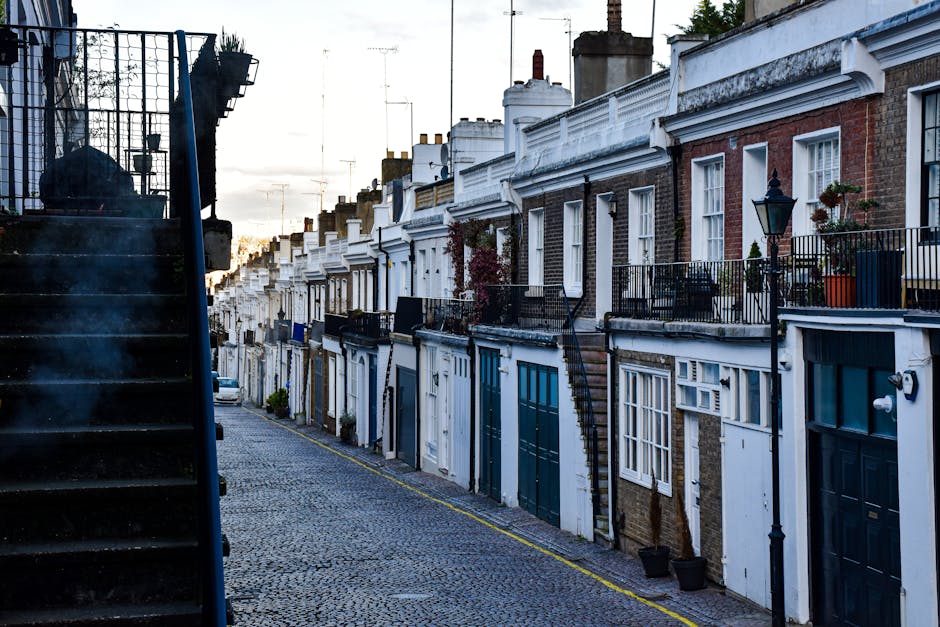
Avoid delays on Holland Park Avenue during removals: a practical local guide
If you are planning a move in Holland Park, timing matters more than people expect. A few minutes lost to a blocked kerb, a missed loading window, or a poorly packed lift trolley can snowball into a long, frustrating afternoon. This guide explains how to avoid delays on Holland Park Avenue during removals, with practical steps that fit real London moving conditions rather than neat theory. It is written for anyone who wants a calmer move, fewer surprises, and a much better chance of getting the van in, loaded, and away on time.
Truth be told, most removal delays are not dramatic disasters. They are usually small things stacked together: parking uncertainty, awkward access, extra walking distance, overfilled boxes, or one missing permit detail. Get those basics right and the day tends to flow. Miss them, and you will feel it immediately. Let's make sure that does not happen.
Why Avoid delays on Holland Park Avenue during removals Matters
Holland Park Avenue is not the sort of road where a moving lorry can just breeze in and sit wherever it likes. It is busy, tightly used, and unforgiving when a move is badly timed. That matters for one very simple reason: every minute lost at the front end of a move affects the rest of the day. If the crew cannot stop close enough, or they arrive when access is awkward, the whole schedule starts to wobble.
Delays also cost you money in less obvious ways. A longer loading time may mean more labour hours, extra van time, or a second trip you had hoped to avoid. There is the stress factor too. You know the feeling: one person is waiting at the new place, someone else is trying to locate a key, and the sofa is stuck halfway down a stairwell. Not ideal, to put it mildly.
For local moves, the road itself is only part of the story. You also have to think about narrow approaches, pedestrians, busier periods, building access, and whether the property is a flat, maisonette, or larger house. If you are comparing move types, the practical requirements can be very different, which is why pages like flat removals in Holland Park and house removals in Holland Park are useful starting points for understanding the shape of the job.
There is also a local consistency issue. Holland Park Avenue sits within a part of London where even small access assumptions can fail. One side street may be simple enough for a small vehicle, while a larger removal van needs a completely different approach. If you want fewer hold-ups, you need to think ahead, not react on the day.
Key takeaway: the fastest move is rarely the most rushed one. It is the one that is planned around access, timing, and vehicle size before the van ever turns the corner.
How Avoid delays on Holland Park Avenue during removals Works
At a practical level, preventing delays is about removing friction before moving day. That starts with a realistic assessment of the property, the access route, and the vehicle you actually need. A small van may fit better in one situation, while a larger removal vehicle may be more efficient in another. The right choice depends on load size, stair access, and how far the van can reasonably stop from the front door.
The process usually works best in three layers. First, plan the move window with road conditions in mind. Second, prepare the property so loading is quick and straightforward. Third, brief the removals team so nobody is guessing once they arrive. When those layers line up, the job feels much smoother. Almost boring, even. Which, frankly, is exactly what you want on moving day.
A good removals plan for this part of London also considers building rules. Some blocks need advance notice for lift use, ground-floor protection, or concierge coordination. If you are moving from a flat, the practical details can matter more than the distance itself. That is why many people look at dedicated services such as man with van Holland Park or broader removal services in Holland Park depending on scale and complexity.
In our experience, the most reliable moves are not the ones with the biggest crew. They are the ones where the route, timing, and access notes are accurate, simple, and shared early. A surprisingly small detail, like where the van can safely pause without blocking traffic, can save a long delay.
Key Benefits and Practical Advantages
When you avoid delays properly, the benefits show up all day long, not just at the start. The obvious one is time. A well-run removal on Holland Park Avenue is quicker, which means less disruption for you, the crew, and the people around you. But there are a few other benefits worth spelling out.
- Lower stress: you are not spending the morning chasing missing information or watching the clock.
- Better protection for items: rushed handling often leads to bumped furniture, strained lifting, and weak packing choices.
- Cleaner cost control: fewer delays usually means fewer unexpected labour overruns.
- Smoother neighbour relations: a tidy, organised move is far less likely to annoy nearby residents or block shared spaces.
- Less chance of rebooking: when access is planned well, there is a much lower risk of needing a second attempt.
There is a hidden benefit too. Once the removals crew sees a well-prepared property, everything tends to accelerate. Boxes are in one place, bulky furniture is grouped together, and nobody is wasting time figuring out which room belongs to which pile. It sounds small. It is not small.
If you are comparing moving options, you may also find it useful to read about removals in Holland Park alongside furniture removals if your job includes heavier or awkward items. The right service mix often reduces delay far more than a last-minute speed attempt.
Who This Is For and When It Makes Sense
This approach is useful for almost anyone moving near Holland Park Avenue, but it is especially helpful if your move has any of the following features:
- you are moving from a flat, basement, or upper-floor property;
- you have a limited loading window or a tight handover time;
- your furniture includes oversized, fragile, or specialist pieces;
- you expect local traffic to affect arrival or loading;
- you want to avoid extra labour time and unnecessary waiting;
- you need a same-day or short-notice move and cannot afford mistakes.
It also makes sense for students, offices, and anyone juggling multiple addresses. A student move may look simple on paper, but it can go wrong fast when boxes are underpacked and the lift is booked by someone else. For that reason, student removals in Holland Park are often worth treating as a separate category rather than a mini version of a house move.
For offices, timing becomes even more important. Staff availability, equipment handling, and building access all have to line up. If your relocation has desks, monitors, file storage, or shared work areas, take a look at office removals in Holland Park because the planning logic is different from a domestic move.
And if your move includes just one awkward but precious item, such as an upright piano, the risk profile changes again. A job like that needs specialist handling, not improvisation. In that case, piano removals in Holland Park is the sort of page that helps you think through the extra care involved.
Step-by-Step Guidance
1. Check the access before booking anything
Start with the practical route: where can the vehicle stop, how far is that from the entrance, and are there any obvious restrictions on stopping or waiting? If you do not know, ask the moving team to assess it. A five-minute review often saves an hour later.
2. Match the vehicle to the job
Do not book a vehicle based only on a rough guess. If you have a full household, a larger van may be efficient. If access is tight, a smaller vehicle or a different loading strategy may work better. Many people find it useful to compare removal van options with man and van services so they can balance access and capacity sensibly.
3. Pack by room and by priority
Good packing is one of the easiest ways to protect the timetable. Keep fragile items clearly labelled, group similar items together, and make sure the essentials are easy to reach. If the first ten boxes loaded are random, the job slows down. If they are organised, the team can work almost rhythmically.
4. Protect shared spaces and loading paths
Hallways, entrances, and lift areas need to stay clear. Place floor protection where needed. Keep doors accessible. If you are in a building with other residents, think about how the move affects them too. A small obstacle can become a long pause when the trolley gets stuck in a tight lobby.
5. Brief the removal crew clearly
Tell the crew what matters most: the fragile items, the pieces that need dismantling, the order you want things loaded, and any access details that might surprise them. A good briefing sounds simple, but it is one of the biggest delay-prevention tools available.
6. Build in a little time buffer
Even with the best planning, London happens. Someone parks badly. A key is late. The lift is momentarily in use. A sensible buffer gives you space to absorb a delay without the whole day feeling like it is sliding downhill.
7. Keep the destination ready
Moves do not end when the van leaves Holland Park Avenue. Have access codes, keys, and room labels ready at the new property. If the arrival point is not ready, you simply move the delay to the other end of the journey. Not much of a win, really.
Expert Tips for Better Results
The best advice here is often the least flashy. Make the move easier rather than trying to make it faster through force. That one idea alone changes how people prepare.
- Book the earliest sensible slot: morning moves often give you more flexibility if the day slips.
- Use clear room labels: kitchen, bedroom, office, storage. Simple. Effective.
- Remove detached fittings early: lamps, curtain poles, shelves, and loose accessories often create last-minute clutter.
- Keep a "first night" bag aside: you will thank yourself later when the kettle, charger, and basic toiletries are not buried in a box mountain.
- Be realistic about dismantling: if a bed or wardrobe needs tools, plan that in advance instead of discovering it at loading time.
One small but important point: if your move involves storage, decide early whether items should go into the property or into temporary holding. Uncertainty causes faffing about, and faffing about is where schedules go to die. If you need flexibility, storage in Holland Park can be part of a cleaner plan.
It also helps to understand what a moving team actually needs from you. They do not need perfection. They need clarity. A clear access note, a tidy packing setup, and a realistic time expectation are usually enough to keep things moving.

Common Mistakes to Avoid
Most delays come from avoidable mistakes, and the same ones show up again and again. Here are the big ones.
- Underestimating access time: if the van cannot park close by, loading will take longer. Always plan for that.
- Packing too late: last-minute packing creates chaos, and chaos slows everything down.
- Ignoring building rules: lift bookings, entry procedures, and concierge requirements matter more than people expect.
- Choosing the wrong vehicle size: too small means extra trips; too large may be hard to position safely.
- Not checking the route for bulky items: one awkward turn or a low doorway can change the whole loading order.
- Leaving valuables unprepared: passports, keys, chargers, and documents should not disappear into random boxes.
There is also a social mistake, if you can call it that: assuming everyone around you knows what is happening. Neighbours, porters, and building managers appreciate notice. A simple heads-up can prevent a surprisingly awkward delay at the exact moment you need the hallway clear.
If you want a broader sense of what movers look for when pricing and planning jobs, pages such as moving costs in Holland Park and avoiding hidden fees when booking removals can help you spot the kinds of extras that often appear when planning has been weak.
Tools, Resources and Recommendations
You do not need a huge toolkit to keep a move on schedule, but a few practical items make a real difference. Nothing fancy.
- Labels and marker pens: for room names, fragility notes, and priority boxes.
- Basic packing materials: sturdy boxes, tape, wrap, and protective paper.
- Measuring tape: for checking furniture against doors, hallways, and lift space.
- Phone notes or a moving checklist: ideal for access codes, contact names, and delivery instructions.
- Tool kit: useful for dismantling furniture and reassembly later.
For people who want a broader overview of available moving support, the services overview and packing and boxes guidance are sensible places to compare what each job really requires. If you are trying to keep things lean, a man with a van or man and a van arrangement may be enough. If the move is larger, full house removals may be the better fit.
If the move is urgent and the timing is especially tight, same day removals in Holland Park can be useful, though you should expect the planning to be even more important than usual. Same-day work leaves less room for error. No surprise there.
Law, Compliance, Standards, or Best Practice
Removal work in London is not just about lifting furniture. It also sits within normal expectations around road safety, property access, and responsible working practice. Exact requirements can vary depending on the building, local parking controls, and the nature of the move, so the safest approach is to check the relevant details in advance rather than assuming they will be manageable on the day.
From a best-practice perspective, a professional move should include proper planning for access, safe lifting, and respectful conduct in shared spaces. That includes not blocking entrances, not leaving hazards in hallways, and handling items in a way that reduces risk to people and property. If you want reassurance on this point, it is worth reviewing a company's approach to insurance and safety as well as its health and safety policy.
Compliance also extends to clear terms and fair expectations. You should know what is included, what is not, and how changes are handled if access changes on the day. Pages like terms and conditions, payment and security, and complaints procedure help build that trust. That may not sound exciting, but it matters a great deal when you are trying to keep a move calm and accountable.
Responsible moving also includes sustainability where practical. Reusing materials, reducing waste, and avoiding unnecessary trips all support a cleaner move. For readers who care about that side of the job, recycling and sustainability is a relevant support page.
Options, Methods, or Comparison Table
Different moves need different approaches. Here is a simple comparison to help you choose the most practical option for Holland Park Avenue.
| Move type | Best for | Main advantage | Typical delay risk |
|---|---|---|---|
| Man and van | Smaller loads, short local moves, flexible access | Simple and often quick to organise | Can require more trips if volume is underestimated |
| Removal van | Medium-sized household or furniture moves | Better capacity and better loading efficiency | Access may be trickier on tight roads |
| Full removal service | Larger homes, complex access, heavier furniture | More support for packing, loading, and planning | More coordination needed, but usually fewer surprises |
| Same-day removal | Urgent changes or short-notice moves | Speed and responsiveness | Less time to resolve access or packing issues |
If you are unsure which route suits your situation, start with the size of the load and the quality of access. Those two factors answer most of the question. Everything else is secondary, even if it feels urgent in the moment.
For many people, the comparison comes down to this: do you need speed, or do you need certainty? On a road like Holland Park Avenue, certainty often wins.

Case Study or Real-World Example
Imagine a family moving from a first-floor flat near Holland Park Avenue to a nearby house in W8. The distance is short enough that they assume the move will be easy. But the flat has a narrow stairwell, the van cannot stop directly outside for long, and there are a few large pieces of furniture that need careful handling. A piano bench, a dining table, and three bulky wardrobes do not exactly help.
On the first attempt, the team would lose time if boxes are still being packed at arrival, the lift is not booked, or the route from the front door to the van is cluttered. In a better version of the same move, the family has already grouped the furniture, cleared the hallway, labelled each room, and confirmed exactly where the van can pause. That second version looks almost effortless, and it is not because the move is easy. It is because the work was done before the wheels rolled up.
That is the pattern we see most often. The calm moves are not lucky. They are prepared. Sometimes very prepared, which maybe feels a bit over the top the week before, but on the day it pays off.
If the route or property layout is unusually tricky, it can help to read a local moving guide such as the Holland Park removals guide for Ilchester Place and W8 or house removals for Campden Hill homes. Those kinds of local breakdowns are useful because they reflect the real shape of the area, not just generic moving advice.
Practical Checklist
- Confirm the moving date, arrival time, and expected completion window.
- Check where the vehicle can legally and safely stop.
- Measure large furniture against doors, lifts, stair turns, and hallways.
- Book any building access, lift use, or loading arrangements in advance.
- Pack and label boxes by room and priority.
- Keep essentials, valuables, and documents separate.
- Tell the removals team about fragile, heavy, or awkward items early.
- Make sure the old and new properties are both ready for handover.
- Allow a time buffer for traffic, key delays, or access changes.
- Review insurance, payment terms, and any conditions before the day.
Quick reminder: if you want the move to feel smooth, the goal is not perfection. It is removing enough friction that the day can breathe.
And if you are still weighing up who to use, pages like removal companies in Holland Park and about us can help you assess service style, approach, and reliability before you book.
Conclusion
To avoid delays on Holland Park Avenue during removals, focus on access, timing, packing discipline, and clear communication. That is the simple answer, and it is a good one. The road itself may be busy, but a move does not have to be. When you plan for the realities of London traffic, building access, and van positioning, you make the whole day easier on everyone involved.
What really helps is being a little more organised than you think you need to be. Check the route. Brief the crew. Label the boxes. Build in a cushion. Then let the day unfold without constant firefighting. That calm, almost unremarkable feeling at the end of the move? That is the real win.
Get a free quote today and see how much you can save.